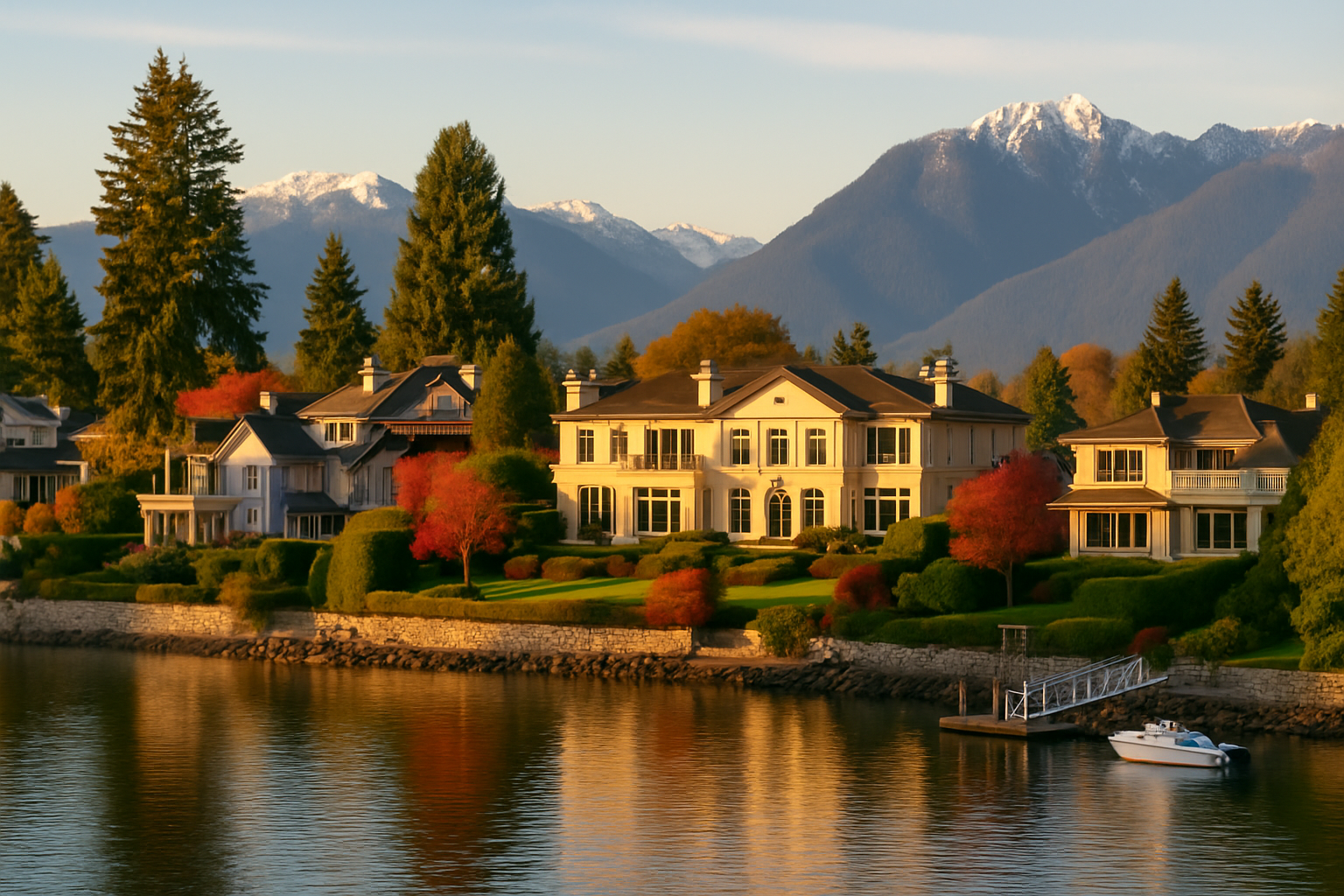
Late spring and early fall offer the best mix of mild temperatures and manageable crowds in Vancouver, Washington. Summer brings the driest weather, while winter is quieter but wetter. The right choice depends on whether you want outdoor time, events, or fewer people.
Is Spring a Good Time to Visit?
Spring suits visitors who enjoy green trails and mild walking weather. Expect showers, so pack a light rain jacket. Blooms along local paths make walks especially pleasant, and crowds are usually lighter than in midsummer. Check the forecast before each outing.
Spring is also a good season for the Columbia River Renaissance Trail and Burnt Bridge Creek Trail. Waterfront paths are often quieter on weekdays, and the mix of rain and sun can make for dramatic river views. Bring waterproof shoes, since trails can get muddy after a storm.
Why Is Summer the Driest Season?
Summer offers the driest and sunniest stretch of the year, which suits festivals, river outings, and long evenings outdoors. Vancouver’s summer days are usually warm, though heat waves can occur. Book lodging early, since summer is a busy travel season across the region.
Vancouver Lake and the waterfront are popular in summer, so plan for parking and crowds on weekends. Start outdoor activities early in the day to avoid the warmest hours. Carry water, sunscreen, and a hat, and check the local forecast for heat advisories.
Is Fall a Good Time for Outdoor Trips?
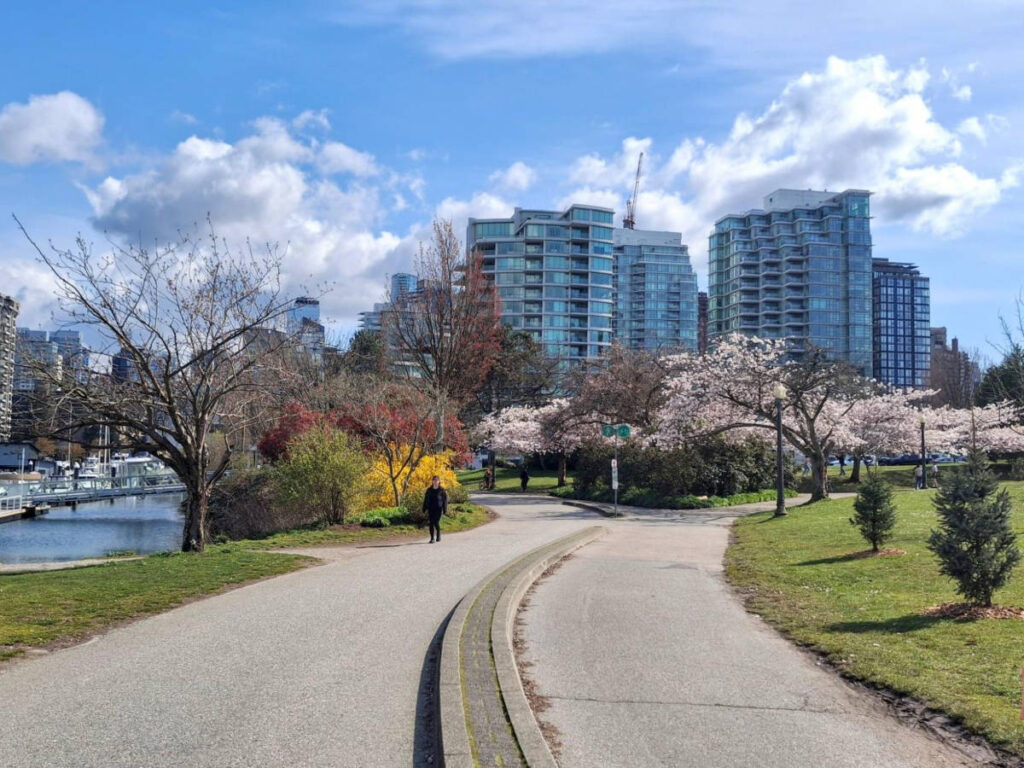
Early fall is one of the most comfortable times to visit, with warm afternoons and cooler nights. Crowds thin after the summer peak, and fall color appears in the surrounding hills and parks. Plan for rain later in the season, and bring layers for chilly mornings.
Fall suits visitors who want to pair a city visit with a Gorge day trip, since the scenery changes with the season. Ridgefield’s wildlife refuge also draws birdwatchers as waterfowl numbers rise later in the year. Dress in layers and check the forecast the morning you leave. Fall foliage timing varies by year, so treat it as a bonus rather than a promise.
Should You Visit Vancouver WA in Winter?
Winter works well for travelers who enjoy quiet museums, cozy cafes, and indoor plans. Expect rain on many days, with cooler temperatures and shorter daylight hours. Dress in waterproof layers, and plan a flexible schedule that allows you to switch to indoor stops when the weather turns.
Winter often means fewer visitors, which can make booking easier. Pearson Air Museum, the visitor center at Fort Vancouver National Historic Site, and downtown cafes make good rainy-day options. Check each site’s winter hours before you go, since schedules often shorten.
How Do Holidays and Events Affect Timing?
 Local events can raise crowds and lodging prices, so check event calendars before choosing dates. The Vancouver Farmers Market, downtown festivals, and summer concerts each draw visitors at different times of year. Ask the city’s visitor resources about current schedules.
Holiday weeks can bring heavier traffic and fuller hotels, both locally and on the Interstate bridges to Portland. If you travel during a busy holiday, leave extra time for drives and book stays early. Downtown parking fills quickly during big events, so arrive early. Off-peak weekdays usually offer the calmest experience.
What Should You Pack for Each Season?
Pack for the weather you expect, not the one you hope for. Vancouver’s seasons can switch quickly, so dress in layers year-round. A compact umbrella and a lightweight rain shell cover most trips, and a warm hat helps in cooler months. Sunscreen is worth bringing even on cloudy summer days.
1. Spring: waterproof shoes and a light rain jacket.
2. Summer: water bottle, sun hat, and sunscreen.
3. Fall: layers and a warm mid-weight jacket.
4. Winter: insulated waterproof outerwear and an umbrella.
Frequently Asked Questions
Which months usually offer the best value?
Off-season months such as late fall and winter often bring lower lodging demand, which can mean better rates. Rates change constantly, so compare options early and check event calendars. Weekdays also tend to be quieter than weekends in most seasons. Shoulder months, meaning late spring and early fall, often balance cost and comfort well.
Can you enjoy Vancouver WA during the rainy season?
Yes, if you plan indoor stops and carry good rain gear. Museums, the Fort Vancouver visitor center, and downtown cafes offer shelter when showers arrive. Many trails stay open in light rain, but muddy conditions can make some paths slippery. Check trail conditions before heading out, especially after heavy storms.
What is the single best month to visit?
There is no single perfect month, but September often offers a strong balance. Summer heat has eased, the rain has not yet returned in force, and days remain long. Choose June or September if you want warm weather without peak summer crowds. Confirm weather forecasts closer to your trip.