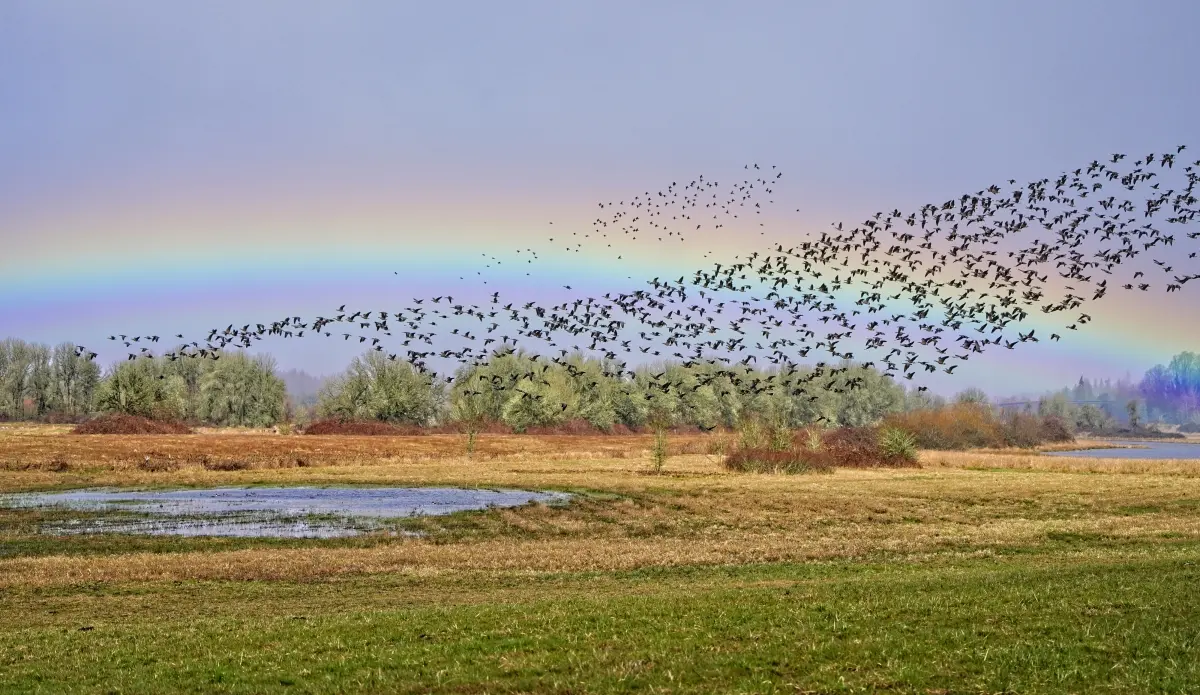
Ridgefield National Wildlife Refuge is a top spot for birdwatching and quiet nature time, just north of Vancouver, Washington. The refuge protects wetlands and grasslands along the Columbia River floodplain, where wildlife is easy to spot in the right season. Plan a visit for cooler months, when waterfowl gather in large numbers.
How Do You Get to the Refuge from Vancouver?
The refuge is a short drive north of Vancouver, reached by highways that connect the two communities. Follow signs for the refuge from the main road, since side roads can be narrow and easy to miss. Drive times change with traffic, so check a live map before you leave.
Access rules can change with seasons and wildlife needs, so check the official refuge information before you set out. Some roads and trails may close temporarily, and a quick phone call can save a wasted trip.
If weekend crowds are likely, arrive early, since parking spots near popular viewing areas may fill quickly. Carpooling can also help when the lot is busy. Plan to arrive with a full tank and some water, since services near the refuge may be limited.
What Wildlife Can You Expect to See?
 Visitors often spot waterfowl, shorebirds, and raptors, with bald eagles and sandhill cranes among the birds that draw attention. Seasons shape what you see, so bring binoculars and a field guide. Wildlife viewing is never guaranteed, so patience helps. Early morning and late afternoon often bring the most activity.
Stay on designated paths and keep a respectful distance from nesting birds. Use the viewing spots provided, and avoid flushing birds from the water’s edge. A quiet approach gives you longer, better looks.
Wildlife activity shifts with weather, water levels, and time of year, so flexibility helps. If one viewing area looks quiet, try another spot along the route. Many visitors find a second pass reveals birds they missed at first.
When Is the Best Time to Visit the Refuge?
Fall and winter often bring the largest concentrations of waterfowl, while spring brings nesting activity and songbirds. Summer is quieter but can be hot. Plan an early start in any season for the best light and calmer conditions. Check current conditions before a trip, since flooding can affect trails.
Winter mornings can be chilly and wet near the river. Dress in layers and waterproof footwear, and bring a thermos of something warm.
Spring brings nesting activity, so keep a wider distance from nests and young birds. Carry layers, because the wind on open fields can feel sharp even on sunny days.
What Should You Bring on a Refuge Visit?
Bring binoculars, water, a hat, and layered clothing, since weather changes quickly near the river. A camera with a zoom lens helps for distant birds. Insect repellent can be useful in warmer months, and a small trash bag keeps the area clean.
Pack a snack, since food options nearby may be limited. Check the refuge rules before bringing a pet, since animals can disturb wildlife and nesting birds.
Good manners matter here. Keep voices low, turn off flash photography, and move slowly when birds are nearby.
What Else Can You Explore Nearby?
Downtown Ridgefield sits a short drive from the refuge and makes a natural stop for lunch and a stroll. Vancouver’s waterfront and other Clark County parks lie within reach as well. Combining stops works best when you plan one main destination per day.
A visit to a wildlife refuge pairs well with a slow drive back through rural farmland, where you may spot more birds along fence lines. Plan to finish before dark, since some roads have little lighting.
A visit in one day can feel full, so consider a second trip later in the year to see seasonal changes. Refuges shift from season to season, so repeat trips often reveal something new.

Frequently Asked Questions
Is the refuge good for beginner birdwatchers?
Yes, the refuge suits beginners because many common waterfowl and raptors are easy to identify with a basic field guide. Start with a slow walk and a pair of binoculars. Staff information and posted signs often help newcomers learn what to look for. Beginners often find a short list of common local species helpful.
Are Dogs Allowed at the Refuge?
Pet rules vary across national wildlife refuges and can change with seasons. Many refuges restrict pets to protect nesting birds and sensitive habitat. Check the official refuge information before you visit, and plan a pet-free outing if you’re unsure. A leashed pet can still stress animals on the trail. Rules can also differ by area.
How long should I plan to stay?
A short visit of one to two hours suits a quick look at the wetlands and viewing areas. Birdwatchers who like to linger often spend half a day. Choose a longer block of time in cooler months, when waterfowl numbers tend to be higher.