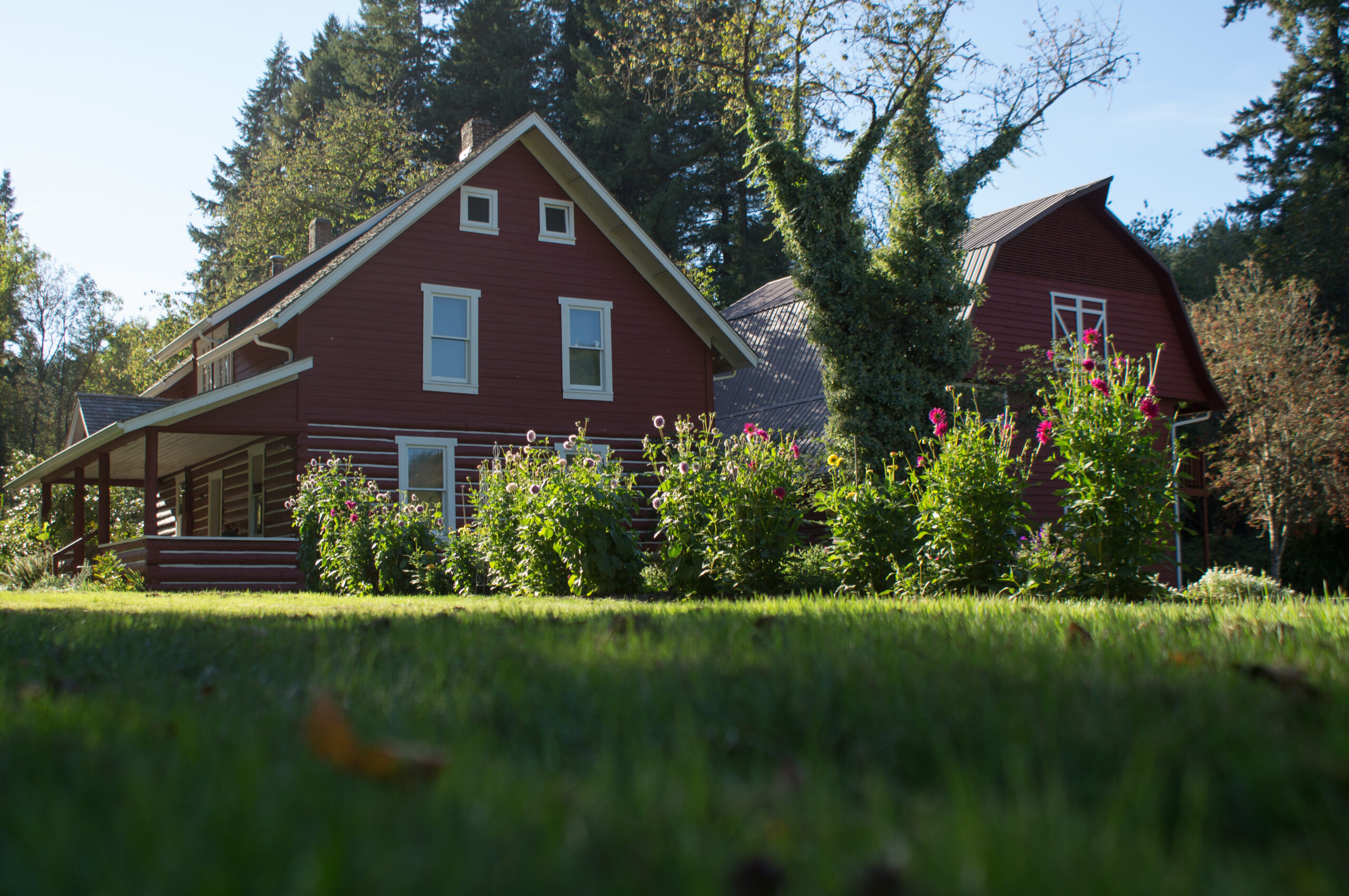
Pomeroy Living History Farm offers a window into rural life in north Clark County. Plan a relaxed visit with time for demonstrations, animals, and the historic buildings. Check the official site for current hours, programs, and any admission rules before you go.
How Do You Get to Pomeroy From Vancouver?
Pomeroy Living History Farm sits in north Clark County, a short drive north of downtown Vancouver WA. Many drivers use the interstate and then local county roads, which can be narrow and rural. Use the address listed on the official website in your navigation app, and allow extra time for turns on country roads.
Traffic is usually light on country roads, but farm vehicles and cyclists can slow you down. Keep a steady speed and watch for signs near the entrance.
What Can You See and Do on the Farm?
Visitors can explore historic farm buildings, watch demonstrations of traditional chores, and see any animals kept on site in pens and barns. Program offerings vary by season, and some days feature special activities or school groups. Check the official calendar before you visit to match your plans with demonstrations.
Visitors often find the most value in asking questions of staff and volunteers, who can explain how tasks were done. A relaxed pace works well here, so give yourself time to sit, watch, and talk with people on site. Plan on two to three hours on site, depending on pace.
Why Is Living History Worth the Visit?
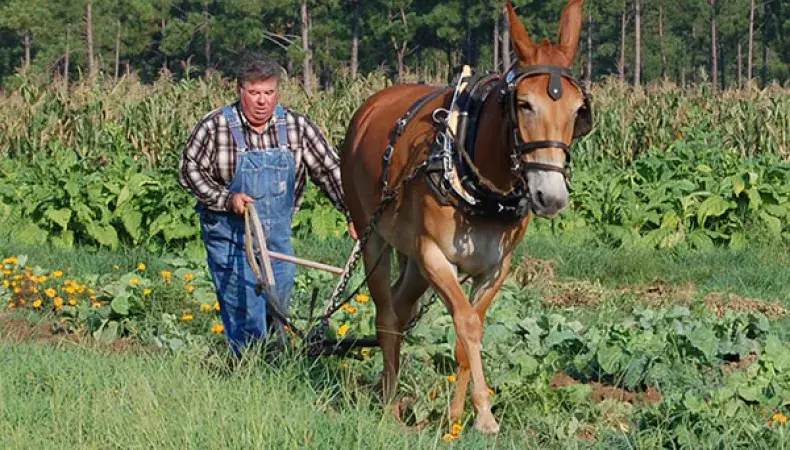
Living history sites show everyday routines, tools, and seasonal work that shaped rural families. Visitors see how chores fit together, from feeding animals to preserving food. The experience can help children and adults picture the work behind everyday meals. That perspective makes the visit feel less like a museum and more like a conversation.
Pack a notebook or sketchbook if you enjoy details. Visitors often find themselves asking more questions than expected.
What Should Families Know Before Visiting?
Families with young children often enjoy the animals, open spaces, and demonstrations most. Unpaved paths and grassy areas can be tough for strollers, so plan carrier options. Keep little ones close near equipment and animals, and ask staff about activities for kids.
Older visitors should wear comfortable shoes and plan rest breaks, since walking the grounds takes more time than many expect. Accessible restrooms and seating details are best confirmed before the visit.
When Is the Best Time to Go?
Late spring and early fall are often pleasant for walking outdoors and enjoying the grounds. Seasonal events and harvest-season activities can add interest, but schedules vary by year. Weekdays are usually calmer than weekend afternoons. Check the event calendar, since special days often draw bigger crowds.
Weather in north county can change quickly, so bring a rain layer even on sunny mornings. Mud can linger in spring, so choose footwear with good tread.
What Else Is Nearby for a Full Day?
 Battle Ground Lake State Park, which offers trails and a lake, is another option in the area. Pair a farm visit with a park stop for a relaxed countryside day. Check whether a Discover Pass is required before you go.
Downtown Battle Ground has a small-town feel, with local shops and eateries to round out the day. Grocery stores and cafes near the town center make it easy to pick up picnic supplies.
What Makes This Farm Different From a Museum?
Living history farms focus on working routines rather than display cases, so visitors often see tasks in motion. Staff and volunteers can explain techniques, tools, and daily life as activities happen. That setup suits people who like to ask questions and learn by watching.
Compared with a standard museum, you can often move at your own pace. Families with children who like hands-on learning and adults who enjoy history often get the most out of it.
Frequently Asked Questions
Is the farm good for a family outing?
Many families enjoy the farm’s demonstrations, animals, and open grounds. Younger children may need breaks and close supervision near equipment. Plan around the program schedule and bring snacks, water, and a light rain layer for changing weather. Check the official site for current details before you go.
Do you need to reserve tickets in advance?
Reservation rules change, so check the official website or call ahead before you plan the trip. Special events and school programs may require advance booking. Walk-in visitors may still be welcome on regular open days, but confirm current policies first. Calling ahead also helps you confirm which animals and demonstrations are scheduled.
Is the farm accessible for visitors with mobility needs?
Historic sites often have uneven ground, gravel, and older buildings that limit access. Ask the farm directly about current accessibility features, including parking, restrooms, and paths between buildings. Bring a folding chair or plan rest stops if walking distance is a concern.