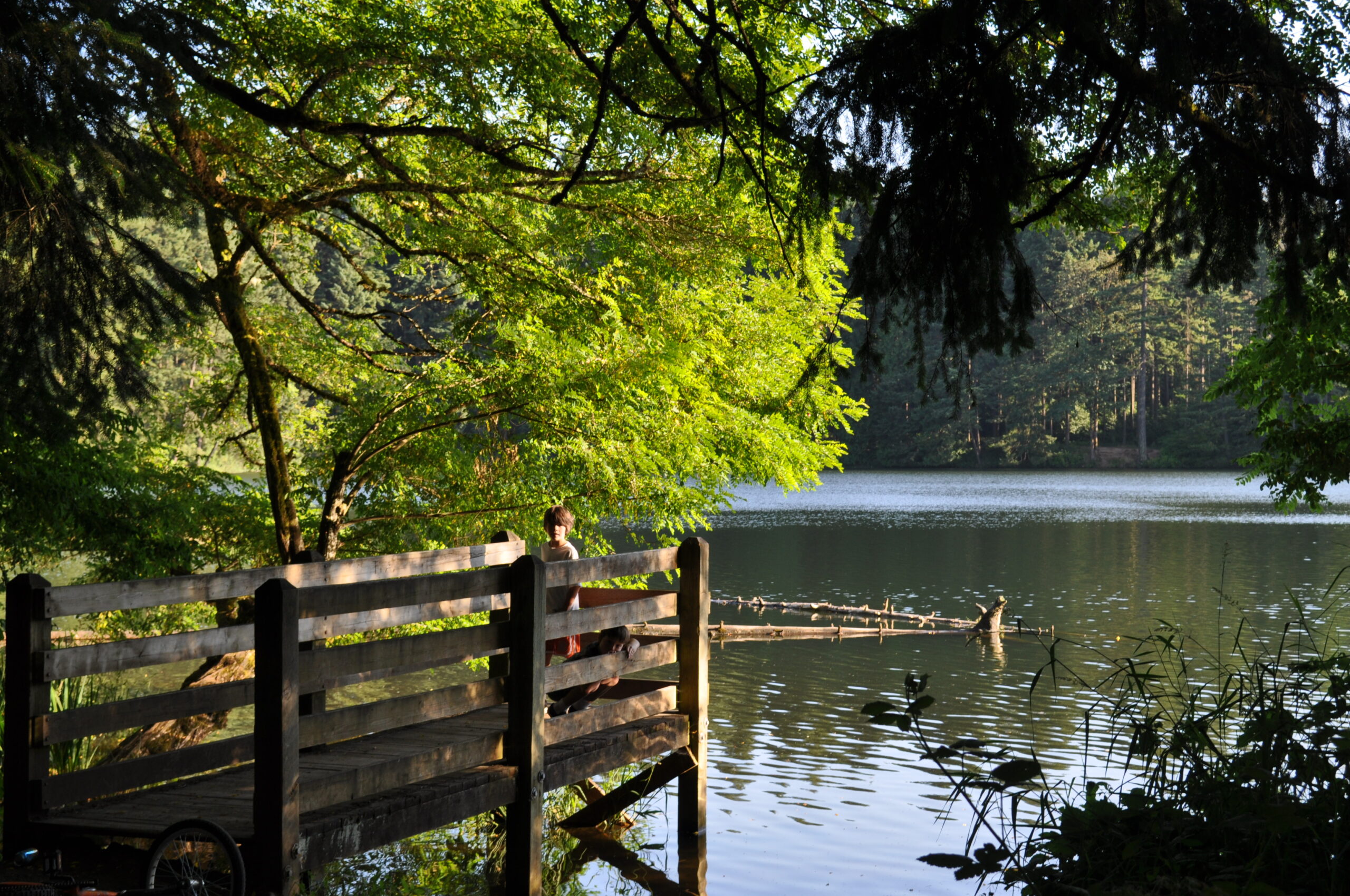
Battle Ground Lake State Park is a popular outdoor escape an easy drive north of Vancouver, Washington. The park centers on a clear lake in a forested setting, with swimming areas, campsites, and trails through conifer woods. Summer weekends fill quickly, so plan ahead for camping or early parking.
How Do You Get to Battle Ground Lake?
Battle Ground Lake State Park is reached by driving north from Vancouver on the main highways toward Battle Ground. Local signs guide the final miles to the park entrance. Check a live map before departing, since travel time changes with traffic and seasonal road conditions.
Winter weather can make hills and shaded stretches slippery, so check conditions before a cold-season trip. Carry a paper map or offline route, since cell coverage can be spotty in forested areas.
Traffic can slow on summer weekends, so plan for a little extra time. Early mornings usually offer the easiest drive and the most open parking. Pack a snack for the drive so hunger doesn’t set in before you arrive.
Can You Camp at Battle Ground Lake?
Yes, the park has campsites, and availability and site types vary by season, so ask about options before you plan. Reserve early in summer since popular sites can book quickly. Check current details on the official state park information before you book a trip.
Campsites are often reserved through the state’s online system, and day-use visitors may still need a valid parking pass. Washington requires a Discover Pass or equivalent for many state park vehicles, so confirm the current rules before you arrive.
Camping experiences vary, so think about your comfort level first. Bring camp chairs, a lantern, and layers for cooler nights near the trees. Ask staff about quiet hours and fire rules before you arrive.
Generators and quiet hours can differ by campground, so check rules before you set up.
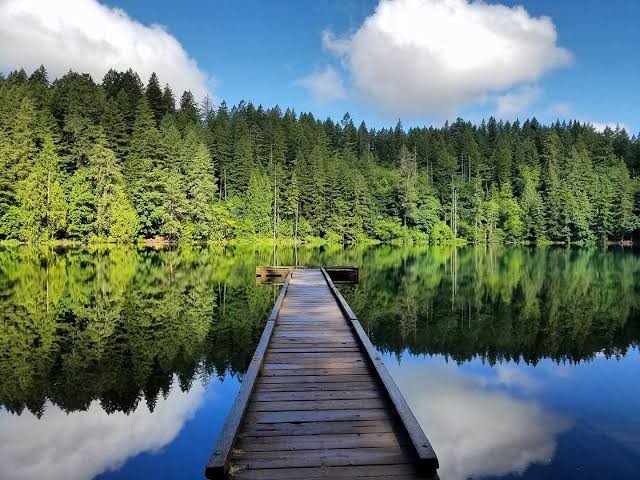
What About Swimming in the Lake?
The park offers designated swimming areas, which are usually the safest place to enter the water. Lifeguard coverage can vary by season, so check before you go. Water can stay cool even in summer, so enter slowly. Keep children within arm’s reach and use a life jacket for weak swimmers.
Swim with a buddy, and avoid diving into unfamiliar water since depths and submerged objects can vary. Dry off and rest on the beach between dips, and watch for changes in the weather.
Lifeguards may not be present at all times, so supervise children closely. Water safety is a shared job for adults in the group. Plan to swim earlier in the day when winds are calmer.
Which Trails Are Worth Walking?
Trails around the lake offer easy to moderate walks through forest, with shoreline views at several points. Choose a loop that matches your comfort level and time. Look for maps at trailheads before you set off. Wear closed shoes with good grip, since roots and damp soil can be slick.
Hikers should carry water and snacks, and let someone know their plans. Watch for wildlife, keep dogs leashed where required, and step aside for other trail users when needed.
Trail conditions shift after heavy rain, so check for muddy or washed-out sections. Boardwalks or bridges, when present, can be slick in wet weather. Turn back if the path becomes hard to follow.
What Should You Pack for a Lake Day?
Pack sunscreen, water, a towel, and a daypack with snacks, since services near the lake can be limited. Bring sturdy footwear for trails and water shoes for rocky shorelines. A first aid kit and a headlamp are wise additions for longer hikes.
Pack out all trash and leave the site cleaner than you found it. Bring a small bag for wet items, since the lake day can end with soggy towels and sandy shoes.
A picnic near the water makes a relaxed finish to a visit. Pick a shaded table early, since sunny afternoons draw crowds. A quick stop at the lake’s edge before you leave also gives you a last look at the water.
Frequently Asked Questions
Is Battle Ground Lake good for families?
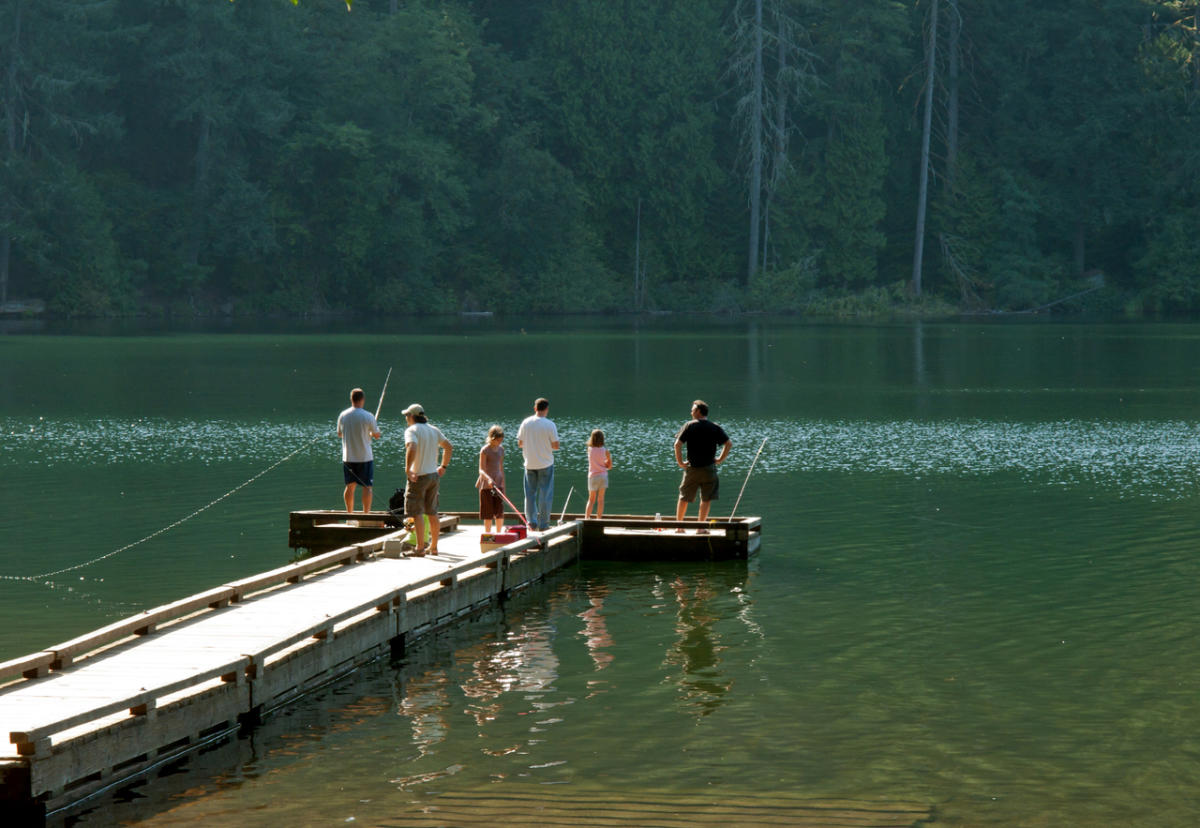
Families often enjoy the swimming area, shady trails, and easy shoreline walks. Keep young children within sight at the water’s edge, and bring life jackets for non-swimmers. Strollers may struggle on forest paths, so pick a carrier for uneven ground. Plan breaks often. Snacks and shade help kids stay happy.
Do I need a reservation to camp?
Reservations are strongly recommended for summer camping, since popular sites often fill in advance. Some sites may be first come, first served during quieter seasons. Check the official state park information for current booking rules and fees. Plan ahead and keep your confirmation handy.
How long should a visit take?
A day visit can cover a swim, a shoreline walk, and a picnic in four to six hours. Overnight campers can spread activities across two or three days. Plan a relaxed pace, and build in time for rest and meals. Weather can change plans, so stay flexible.