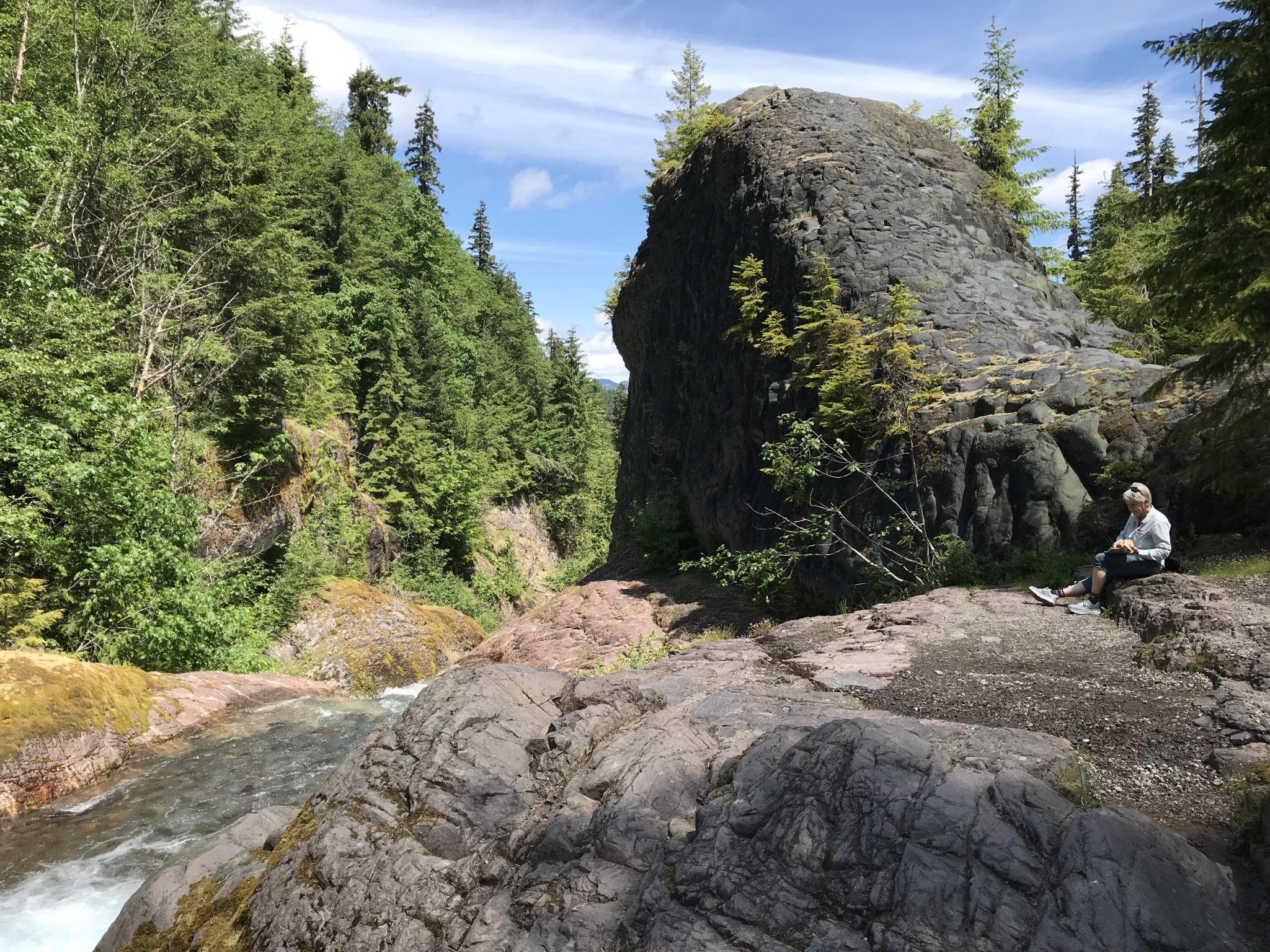
Ape Cave is a lava tube on the south side of Mount St. Helens, reached by a drive of about two hours from Vancouver WA. Bring at least three light sources, warm layers, and sturdy shoes. The cave stays cool year-round, so plan for chilly temperatures even on a summer afternoon.
How Do You Get to Ape Cave From Vancouver?
Ape Cave sits on the south side of Mount St. Helens, roughly two hours from Vancouver WA by car. Drive north on State Route 503 toward Cougar, then follow forest roads signed for Ape Cave. Some roads are narrow and gravel, so drive slowly and watch for other vehicles.
Fill up on fuel and snacks before you leave Vancouver, since services near the cave are limited. Cell coverage is spotty, so download maps ahead of time.
What Is Ape Cave and How Was It Formed?
Ape Cave is a lava tube, a tunnel formed when flowing lava hardened along its edges while molten rock drained away. The cave is among the longer lava tubes in the continental United States, and visitors walk across its rocky floor through long, dark passages.
The tube formed during volcanic activity long before modern visitors arrived. Its walls show ripples and drip features that tell the story of how lava moved.
Which Part Should You Walk: Lower or Upper Tube?
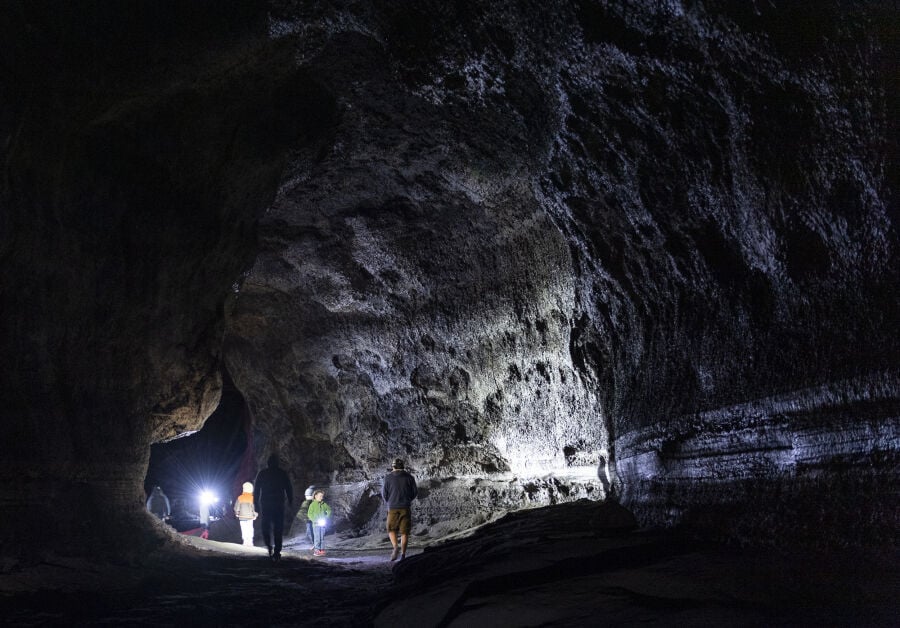
Most visitors start with the lower tube, which is the longer and more walkable route. The upper tube is shorter but rougher, with boulders and scrambles that require more care. Choose the lower tube for a first trip, and try the upper section only if you feel steady on uneven ground.
Both routes pass through cool, dark passages where the ceiling can be low in places. Stay aware of your head height and watch your footing near rock piles. Expect the walk to feel longer in the dark, since there are no landmarks to measure distance.
What Should You Bring Inside the Cave?
Bring at least three independent light sources, such as headlamps and a backup flashlight, since the cave is completely dark without them. Wear sturdy shoes with good grip and a warm layer, because the air stays cool year-round. A helmet is a smart addition, since the ceiling can be low.
Keep a spare battery or backup light in your pack, since power loss can make the return trip stressful. Leave no trash behind, and stay on the marked route.
Is Ape Cave Suitable for Children and Older Visitors?
Older children and adults who handle uneven ground well usually enjoy the lower tube. Young kids may find the dark and cold unsettling, and the upper tube can be difficult for many visitors. Visitors with mobility limits should check current conditions and ask about accessible options before going.
Set a turnaround point before you enter, and turn back if anyone feels overwhelmed. Leaving early is always better than pushing through an uncomfortable trip. Some families split up, so a nervous child can wait near the entrance with an adult.
What Else Is Nearby on the Mountain’s South Side?
Forest roads on the south side connect several viewpoints and trails. Pair your cave visit with a short hike or a river viewpoint, since the drive makes a full day feel worthwhile. Check road status and closures before you leave, since forest roads can close after storms.
Plan your visit for a day with dry weather, since rain makes roads muddy and parking tight.
What Should You Know About Safety Underground?
 Stay with your group, keep lights on and pointed ahead, and never wander off the marked path. The cave has uneven floors and low ceilings, so slow down near rock piles. Tell someone your plans, since cell service rarely reaches the cave.
Stay calm if the lights seem dim, and check your batteries early. Trail markers and signs guide the route, and staying on it is safer than looking for shortcuts.
Frequently Asked Questions
How long does a visit to Ape Cave take?
Plan for one to two hours inside the cave, including time to walk, pause, and look around. With the drive from Vancouver, a visit usually fills a half day or more. Set a comfortable turnaround goal, especially on your first trip underground.
Do you need a pass to park at Ape Cave?
Forest lands in this area often require a recreation pass, such as a Northwest Forest Pass, for parking. Requirements can change, so check the signs at the trailhead and the managing agency’s current information. Display your pass on the dashboard before you start walking.
Is the cave open all year?
Access can change with weather, road conditions, and seasonal maintenance, so the cave may close at times. Winter snow can block forest roads, which can make the trip impossible. Check current status with the national forest office before you drive, especially in late fall, winter, and early spring.