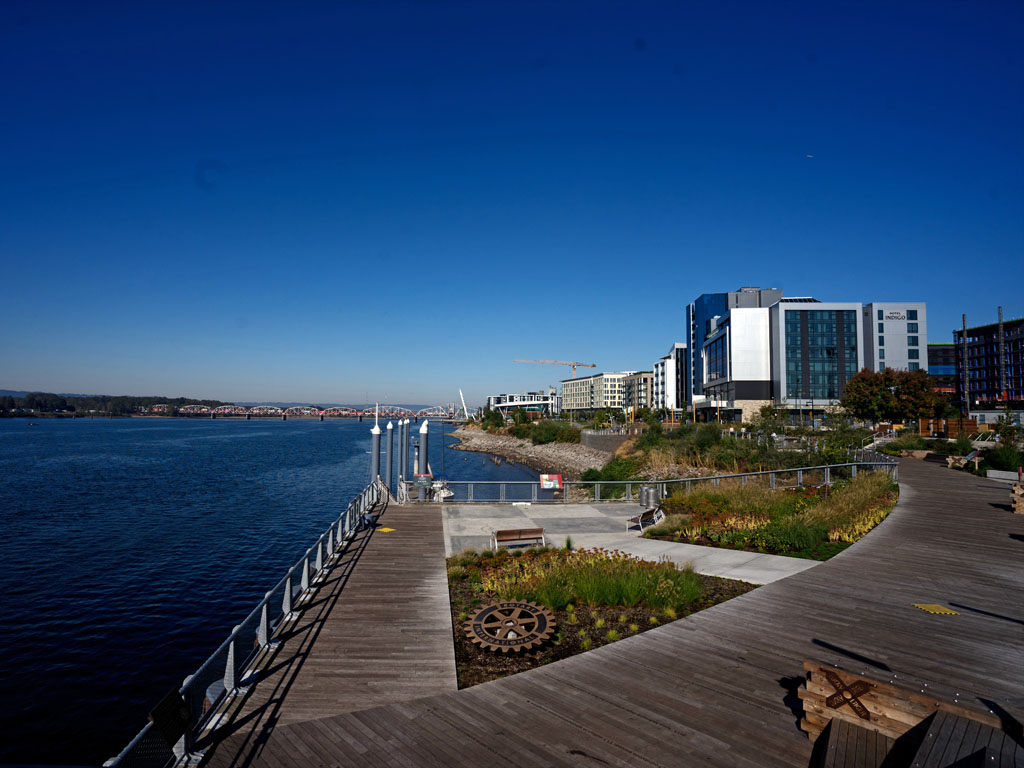
Portland sits just across the Columbia River from Vancouver WA, so a day trip needs little planning. Pick two or three anchor stops, such as a bookstore, a garden, and a forest trail. Bring transit fare, a rain layer, and comfortable shoes.
How Do You Cross the River Into Portland?
Most drivers use Interstate 5 across the Interstate Bridge, which links Vancouver with North Portland. Interstate 205 offers another route across the Glenn Jackson Bridge to the east. Traffic on either bridge can slow sharply during rush hours, so plan your crossing around peak times.
Check whether bridge tolls apply before you cross, since toll plans for the Columbia River crossing have been debated for years. Transit riders can avoid driving through the traffic entirely by choosing a bus or rail option.
How Do You Get Around Portland Without a Car?
TriMet’s MAX light rail and bus network connect many central Portland neighborhoods, and C-TRAN operates buses across the river. Walking works well in the downtown core and near the waterfront. Check current schedules and fare rules before you travel, since service changes often.
Download a transit app or check official schedules before you leave. Fares can differ between agencies, so keep a card or fare app ready. Pack a small amount of local cash for street vendors and small shops.

Which Portland Stops Are Worth Your Time?
Powell’s City of Books, Portland Japanese Garden, and Forest Park are three long-standing favorites for a day trip. Each offers a different pace, from browsing shelves to strolling quiet gardens to hiking through forest. Pick two or three so the day stays relaxed.
Powell’s occupies an entire city block, so plan extra time for browsing. The Japanese Garden is often calmer in the morning, before paths fill with visitors.
When Is the Best Time for a Portland Day Trip?
Spring and early fall usually offer mild weather and the best outdoor conditions for walking and gardens. Weekdays are generally calmer than weekends at popular spots. Rain is common in the Portland area during winter, so pack a rain layer year-round.
Saturday Market in Portland runs on weekends during much of the year, which adds a lively option for a weekend visit. Check its schedule before you plan a visit.
How Should You Plan Your Day?
Start early, group nearby stops, and build in a long lunch break. Portland neighborhoods are walkable, so pick one or two districts rather than crossing the city repeatedly. Keep a loose schedule so you can linger at favorite spots. Plan a return trip time to avoid the evening bridge rush.
Many visitors finish with a waterfront walk before heading home, which gives a calm close to the day. If you go in the evening, check whether the stops you want are open late, because many close earlier than expected.
What Are the Best Ways to Spend a Rainy Day?
Indoor options such as the Portland Art Museum and the Oregon Museum of Science and Industry keep visitors dry on wet days. Bookstores and covered spaces also offer shelter. Check current hours and ticket rules on each official site before you go.
Some museums offer free or reduced admission on certain days, so check before you plan. Pack a small umbrella and a dry bag for books and phones.
Can You Combine Portland With Another Stop?
 Yes, you can pair Portland with a nearby stop such as the Columbia River Gorge, since Gorge waterfalls lie east of the city. Plan a morning in the Gorge and an afternoon in Portland, or reverse the order. Give each stop time, and check driving distances on a map.
Keep the combined day realistic, since a rushed schedule leaves less time for the places you care about most.
Frequently Asked Questions
Is a Portland day trip possible without a car?
Yes, many visitors use buses, light rail, or walking once they arrive. Bus and rail connections can be slower than driving, so allow extra time. Check current transit options and fares before you leave, since routes change over time. Many visitors also find rideshare handy for short hops between stops.
How much time should you set aside for the trip?
A full day is ideal for two or three stops, with time for meals and transit. Half-day visits work well for a single museum or garden. Build in buffer time for bridge traffic, especially if you drive across during commute hours. Plan around opening hours, which vary by attraction and season.
What should you bring for a city day trip?
Bring a photo ID, a transit card or cash, a refillable water bottle, and a rain layer. Comfortable walking shoes matter most, since many stops involve long strolls. A small bag keeps your hands free for purchases and photos. Leave room in your bag for books, since you may find a few you can’t resist.