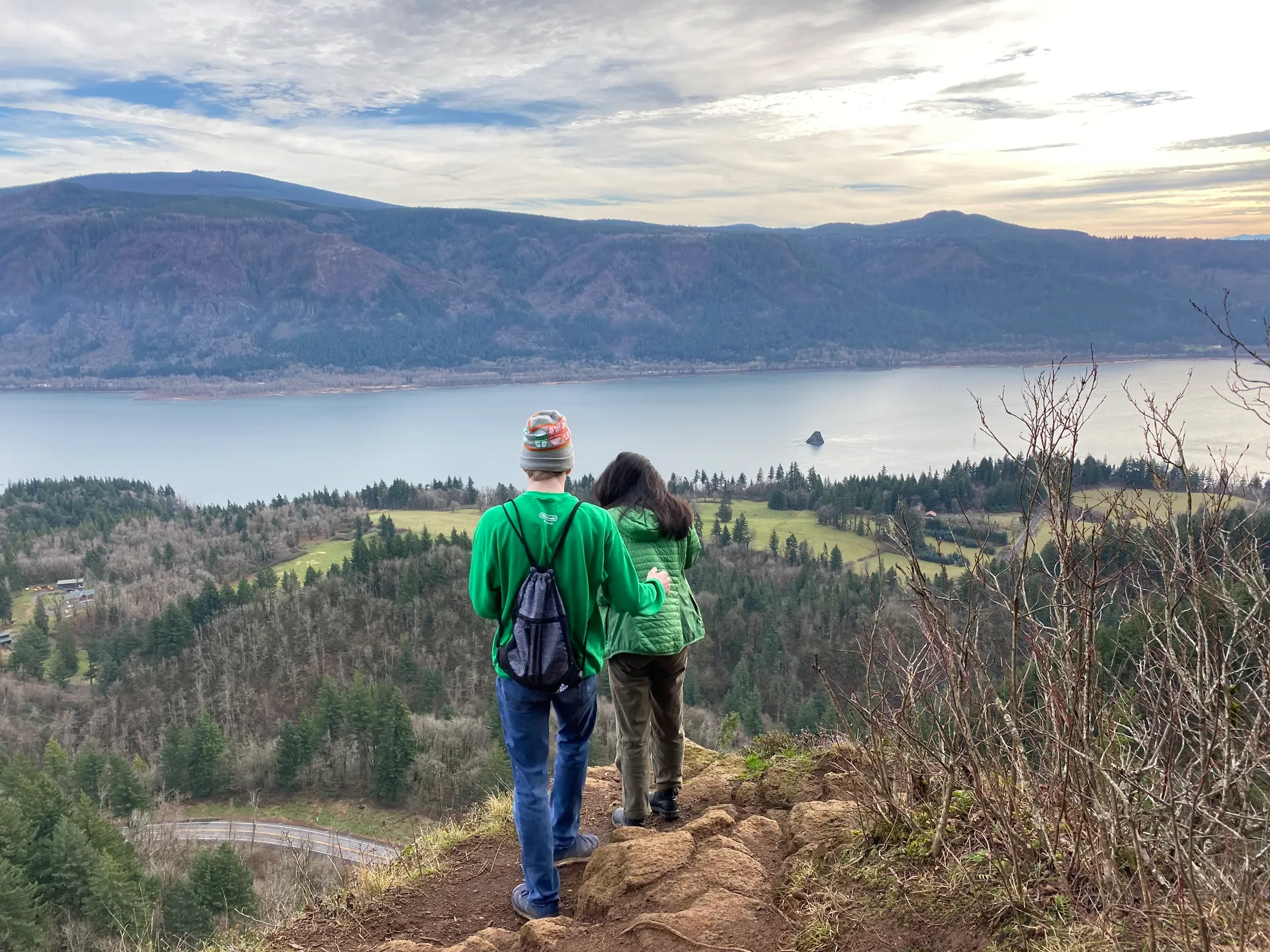
The Cape Horn Trail is one of the closest scenic hikes to Vancouver WA, with basalt cliffs, river views, and seasonal waterfalls. Expect a moderate to steep climb, and plan for several hours on the loop. Pick a clear day and bring a map, since trail junctions can be confusing.
How Far Is Cape Horn From Vancouver?
Cape Horn sits east of Vancouver near Washougal, a drive that usually takes under an hour without heavy traffic. Most visitors take State Route 14 east and turn off toward the trailhead signs. Trailhead parking is limited, so arrive early on sunny weekends, and use a designated lot rather than roadside spots.
Road signs can be easy to miss, so check your route before you leave home. Note the trailhead name and the nearest turnoff, since cell coverage can be spotty in the canyon.
What Will You See on the Cape Horn Loop?
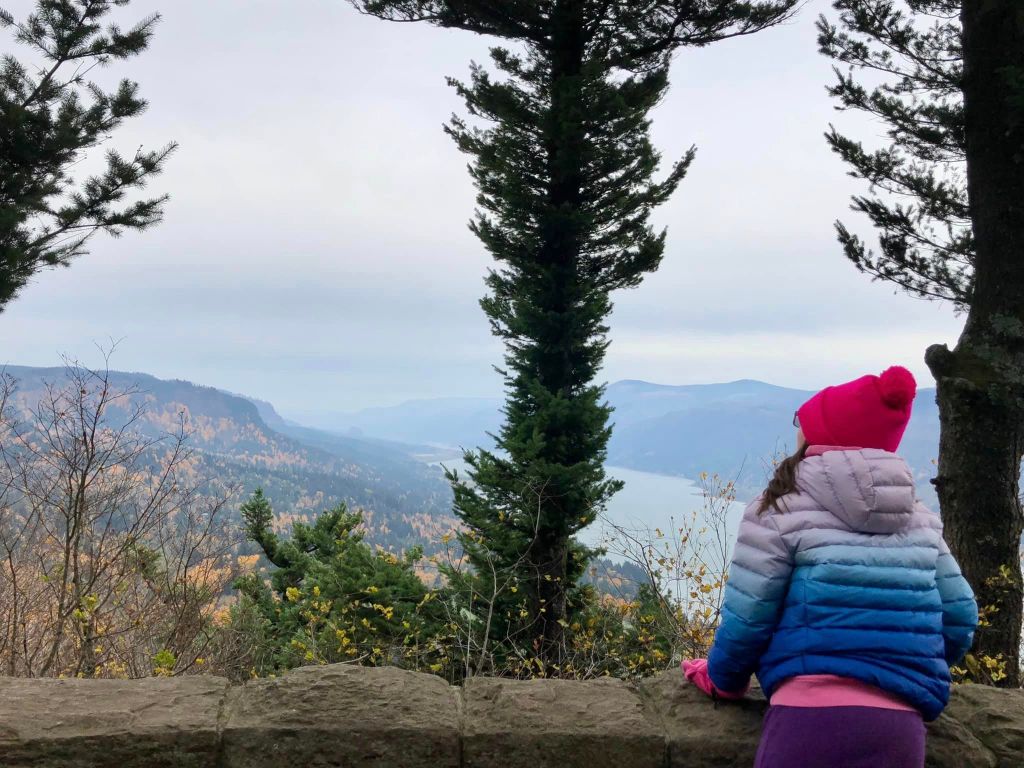
The loop passes basalt cliffs, mossy slopes, and views over the Columbia River. Seasonal waterfalls add sound and spray in wetter months. Many visitors find the loop most rewarding when they slow down and read the trail signs along the way. Spring brings wildflowers across open slopes, while fall shows colorful leaves in the lower woods. Each season offers a different walk, so you can revisit the trail without getting bored.
The river views open up near the cliff edges, where barriers may be limited, so keep children close. Stay on marked paths near edges, since loose rock can break underfoot.
How Hard Is the Cape Horn Trail?
The loop has steep sections and uneven ground, so it suits hikers with moderate fitness. Expect several climbs, rocky steps, and occasional muddy spots after rain. Many hikers plan for several hours, depending on pace and stops. Bring trekking poles if your knees need support.
Pick the direction that suits your energy level, and look for a shorter option on the map if the day feels tough.
What Should You Know About Parking and Passes?
Washington state recreation areas often require a day-use pass, such as a Discover Pass, for parking. Requirements can differ between lots and agencies, so check the signs at the trailhead. Carry a pass on the dashboard, and plan to pay before you start hiking.
Confirm current permit rules on the official site before the trip, since fees and programs change over time.
When Is the Best Time to Hike?
Spring and early summer are often the most pleasant for the Cape Horn loop, with mild temperatures and blooming plants. Fall offers cooler air and fewer bugs. Summer can get hot on exposed slopes, so start early if you go in July or August.
Winter trips can be rewarding on clear days, but icy spots and mud make the footing tricky. Check conditions before you commit.
What Should You Pack and Watch For?
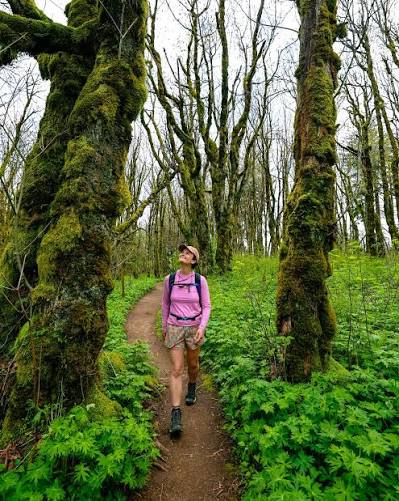 Pack water, layers, a map, and a snack, since services along the trail are limited. Wear shoes with good tread and bring sun protection for open ridges. Watch for poison oak, ticks, and snakes on sunny rocks, and stay on the trail to protect the plants. Poison oak leaves can look glossy, with three leaflets per stem, so learn the pattern before you go. Wash your clothes and skin after the hike if you brushed against plants.
How Does Cape Horn Compare With Beacon Rock?
Cape Horn offers a longer, more varied loop, while Beacon Rock is a shorter, steeper climb to a single summit. Cape Horn suits hikers who want cliffs, woods, and waterfalls in one outing. Beacon Rock works well for a focused climb with big views over the river.
Visiting both in one weekend works if you start early and keep the pace relaxed. Pick one for a long day and save the other for a shorter outing. Either hike rewards an early start, since parking and quiet trails are easiest to find before mid-morning. Keep both trips on your list, and check conditions for each before you commit.
Frequently Asked Questions
Is the Cape Horn Trail good for beginners?
Beginners can enjoy shorter sections of the trail, but the full loop involves steep climbs and uneven footing. Choose a route that matches your fitness and turn back if the going gets too difficult. Start with a shorter option, and build up over time with repeat visits.
How much time should you set aside?
Plan for several hours, including the drive, breaks, and time for photos along the cliffs. Many visitors set aside a half day to enjoy the loop without rushing. Check the trail map before you leave, and allow extra time if you plan to stop at the waterfalls or viewpoints.
Is the trail open year-round?
Access depends on weather, maintenance, and seasonal conditions, so the trail may close at times. Check current alerts from the managing agency before you drive out. Winter can be quiet and beautiful, though slick steps call for extra care and good footwear.