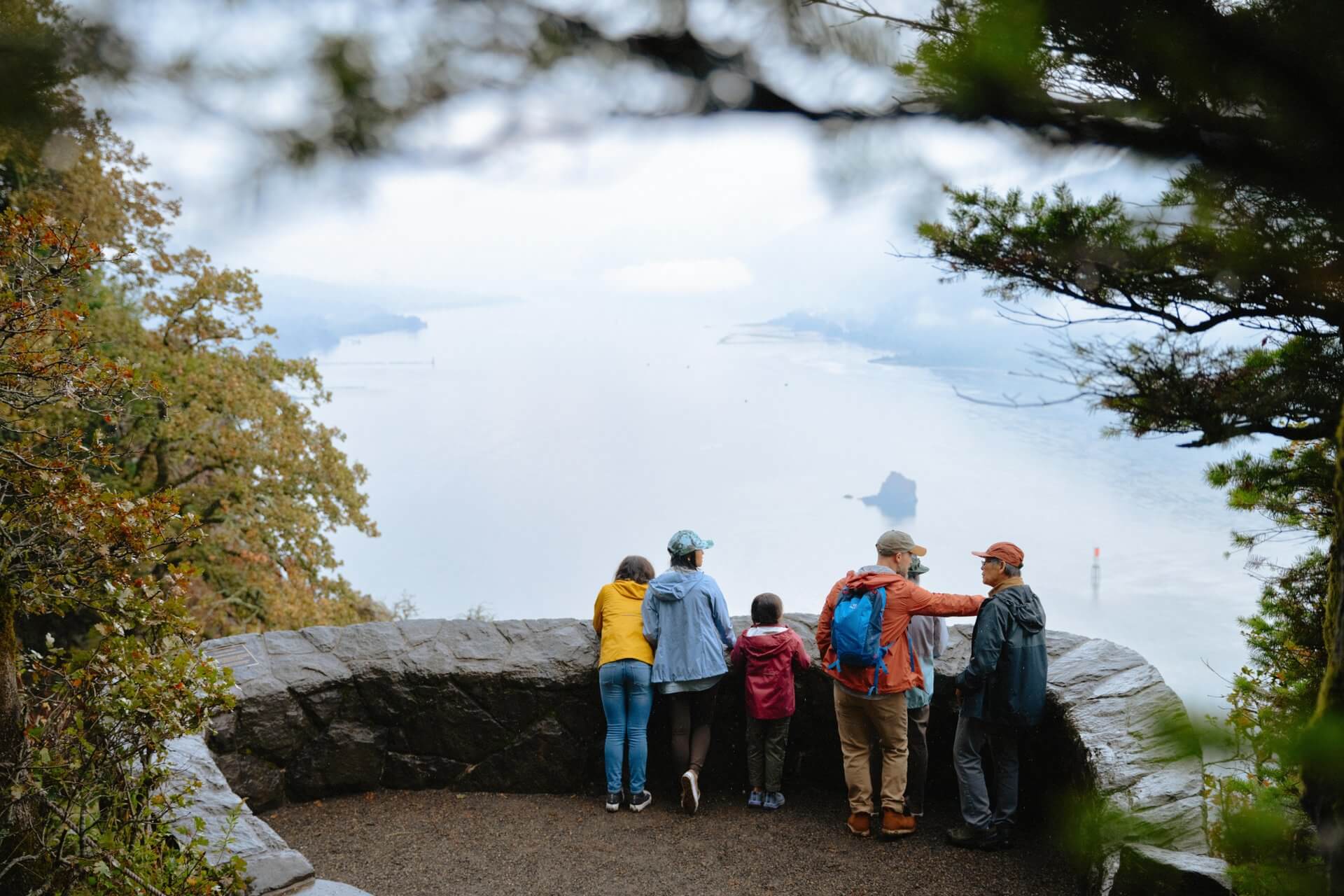
Most of the Washington side’s best stops sit along State Route 14, which begins right in Vancouver. Plan a half day for a short loop or a full day for farther trailheads. Weather shifts quickly in the gorge, so check forecasts before you leave.
How Far Is the Washington Gorge From Vancouver?
State Route 14 begins at Interstate 5 in Vancouver and follows the Columbia River east along the Washington shore. Towns like Camas, Washougal, and Stevenson sit along the route, and most trailheads lie within an hour of downtown Vancouver. Expect slower traffic on weekends, since the highway carries many drivers heading to trails and river access.
Start early if you can. Morning light brings calmer winds to the river, and parking lots at popular spots fill quickly on sunny days. Pack a map that works without cell service, since coverage can drop along the canyon walls.
Which Stops Should You Put on the List?
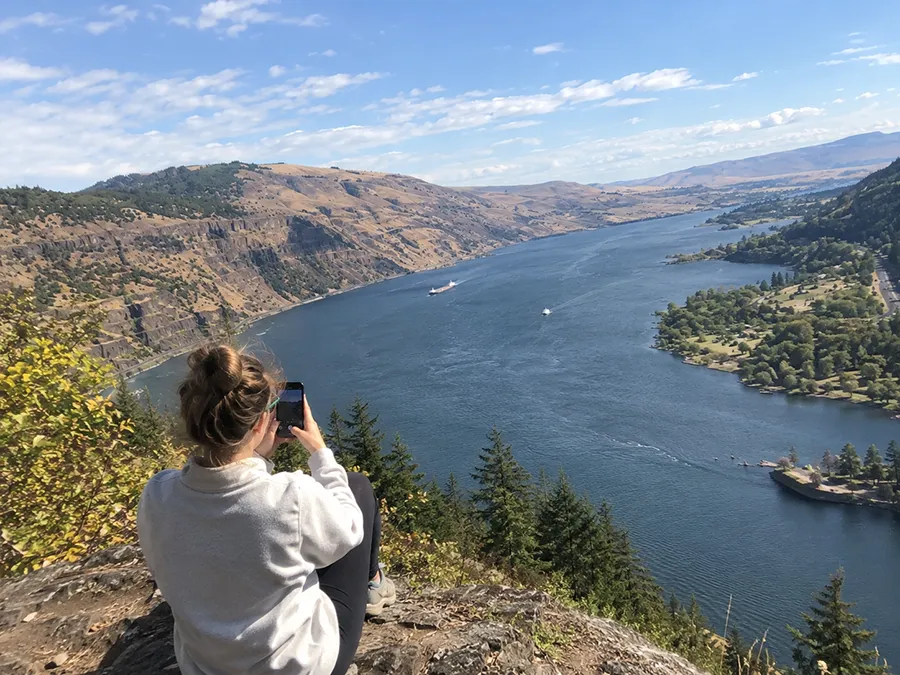
Beacon Rock, Cape Horn, and Dog Mountain are three of the most popular stops on the Washington side. Each offers a different kind of hike, from a steep climb to basalt cliffs and spring wildflowers. Sites and hours change, so check each park’s official page before you go.
Doug’s Beach near Lyle is a well-known windsurfing spot, so it’s a good stop if you enjoy watching boards on a breezy afternoon. Picnic areas along the river make a relaxed break between hikes.
What Should You Know About Wind and Weather?
The gorge acts like a wind tunnel, so gusts can be strong even when the city feels calm. Spring and fall bring the most variable conditions, with rain and wind on the same day. Dress in layers and secure loose items in your car, since gusts can catch doors and hats.
Summer afternoons can feel hot on exposed trails, while the river breeze keeps lower areas cooler. Read the forecast for wind speed as well as temperature, since windy days make trails feel colder. Skip exposed ridges on gusty days, even if the sky looks clear.
How Do You Plan Parking and Passes?
Many Washington gorge trailheads charge a parking fee or require a state recreation pass. Washington state parks generally use the Discover Pass, while some federal sites use other passes. Confirm requirements before you park, and display your pass where it’s visible on your dashboard. Arrive early, since lots fill fast on sunny weekends.
Some popular sites use timed entry or shuttle systems during peak season, so check current rules before you drive. Carry cash or a card for any fee stations along the route. Each site has its own rules, so read the signs at every trailhead before you park.
Is the Washington Side Worth a Separate Trip?
Yes, if you want a mix of river views, basalt cliffs, and trails that often feel less crowded than the best-known Oregon spots. The Washington shore suits a relaxed day with several short hikes. The drive from Vancouver is short, so you can add a stop without a big commitment.
Plan lunch in a small town along the route, then head back before evening traffic builds. Keep the day flexible, since trail conditions can change quickly after heavy rain.
What Should You Bring on a Gorge Day?
Bring sturdy shoes, at least one liter of water per person, and a light rain shell for every trip. Trails on the Washington side can be steep, rocky, and slippery near waterfalls. Poison oak grows along many trails, so long pants and a quick wash after hiking help.
Trekking poles help on descents, and a headlamp is handy if a short hike runs later than planned. Snacks and a small first aid kit round out the basics. Ticks are also possible in grassy areas, so check your clothing after walks in tall grass.
Frequently Asked Questions
Can you reach the Washington side of the gorge without a car?
Public transit options are limited, so most visitors drive. Some regional bus services reach nearby towns, but schedules change often and may not reach trailheads. Check current transit schedules with the transit agency before you plan a car-free trip. Rideshare coverage can be spotty near trailheads.
What is the best season for the Washington gorge?
Spring and fall are popular because of wildflowers in spring and color in autumn. Summer brings long days but can bring heat and crowds on weekends. Winter offers quieter trails, though ice and wind can make conditions tricky. Choose your season based on the activities you care about most.
Do you need a pass for every stop along the route?
Not every stop requires a pass, and rules differ by agency and parking area. Many Washington state park lots ask for a Discover Pass or similar permit, while some federal trailheads have their own requirements. Check signs at each lot and the managing agency’s website, since rules and fees can change.