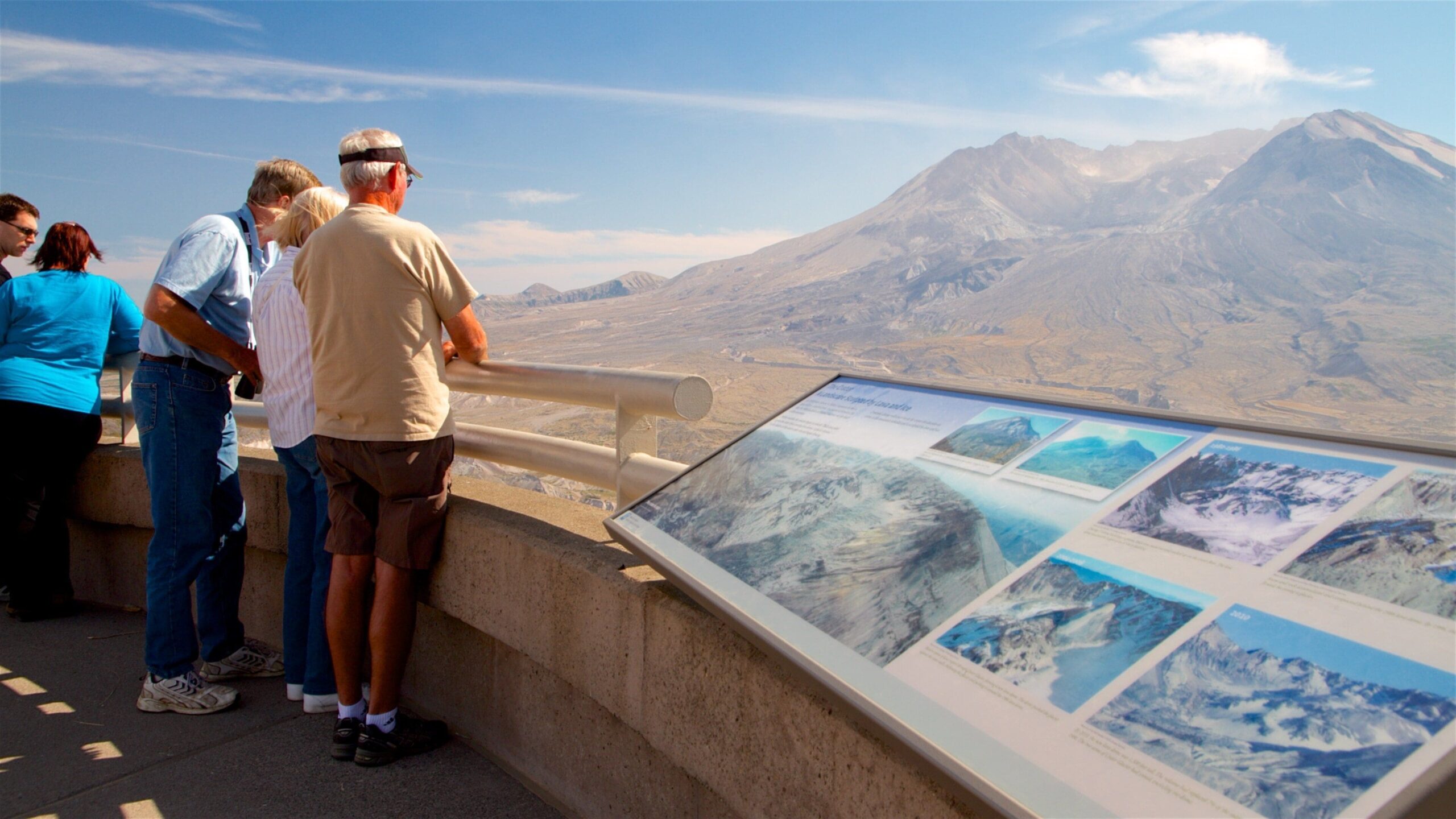
A Mount St. Helens day trip from Vancouver WA takes roughly two hours each way, and the payoff is a close look at the 1980 eruption zone. Plan for a full day, check road and weather conditions before leaving, and expect cool temperatures at higher viewpoints even in summer.
How Far Is Mount St. Helens From Vancouver?
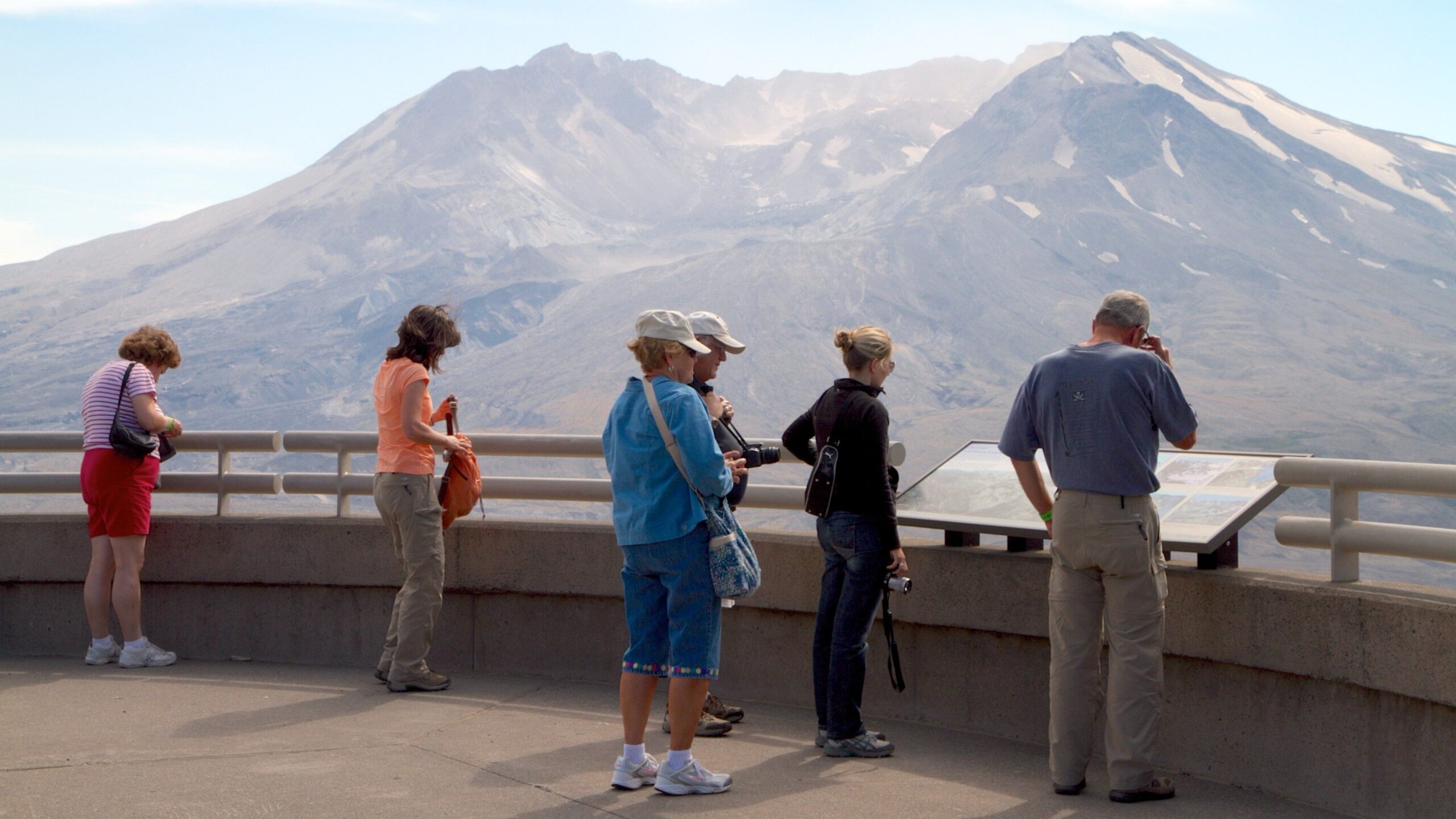
Johnston Ridge Observatory sits about two hours northeast of Vancouver by car, depending on traffic and the stops you make. Most visitors take Interstate 5 north to Castle Rock, then follow Spirit Lake Memorial Highway east, also known as State Route 504. That road ends at the observatory, which overlooks the blast zone from the 1980 eruption.
The scenery changes quickly once you leave the freeway. Forests give way to open country, and the road climbs toward views of the volcano’s north side. Take your time on the curves, and pull over only at marked spots, since shoulders are narrow in places. Fill your tank before the climb, since fuel stops thin out near the monument.
Do You Need a Pass to Visit?
Many areas around the monument require a recreation pass, and rules vary by parking area and trail. Washington state parks and some federal lands use different passes, so check whether a Discover Pass or other recreation pass applies before you park. Confirm current rules with the managing agency before you go.
Plan a few quick stops along the highway, too. Pull-offs make good spots to read interpretive signs. Keep an eye out for elk in meadows at dawn and dusk, and drive slowly through those areas.
When Is the Best Time to Visit?
Late summer and early fall usually bring the clearest skies and the most reliable road access. Spring brings green meadows and wildflowers, but snow can linger at higher elevations. Weekday mornings tend to be quieter than weekend afternoons, especially in the busiest months of summer.
Weather can shift in minutes, so pack for rain even on a sunny forecast. Visibility often improves in the morning, before afternoon clouds build over the peaks. Crowds peak on summer weekends, so arrive early if you can.
What Should You Pack for a Volcano Day?
Pack layers, water, snacks, and sturdy walking shoes, since temperatures at higher viewpoints can run much cooler than Vancouver. Bring sun protection too, because high-elevation sun is strong even on cloudy days. Many trails are short but uneven, so plan for rocky ground near the crater overlooks.
A small daypack keeps everything together on the trail. Bring a full water bottle, since high country has few reliable refill points. Fill up before you leave Vancouver, since services along the route are limited.
Is the Visitor Center Worth the Stop?
Yes, the eruption story makes the stop worthwhile. Exhibits explain how the May 18, 1980 eruption killed 57 people and reshaped the landscape across hundreds of square miles. Staff can share current trail conditions, and hours change by season, so check the official site before you leave.
Many people also enjoy short walks near the viewpoints, where interpretive signs explain how the landscape has recovered since the eruption. Bring binoculars if you have them, since the crater and surrounding slopes reward a closer look.
What Else Is Worth Adding to Your Trip?
Ape Cave, a lava tube on the south side of the mountain, is a popular add-on for visitors who want something different. It is a separate trip that requires a light source and layers. Plan it for a different day or allow extra time, since the drives between sites are long.
Fort Vancouver National Historic Site is a good option for a relaxed evening back in town, since it preserves the region’s fur trade history. Pack a lunch for the drive, since options near the monument are limited.
Frequently Asked Questions
Can you see Mount St. Helens from Vancouver WA?
On clear days, the mountain is visible from parts of Vancouver and Clark County. Visibility depends on weather, season, and smoke, so you can’t count on it. For a close look at the crater, you’ll need the drive to the monument, which is roughly two hours away by car.
How long should I plan to spend at the monument?
Plan for a full day, with several hours on site beyond the drive. That gives time for the visitor facilities, a couple of viewpoints, and a short walk. Round-trip driving from Vancouver takes several hours, so start early if you want to see everything without rushing.
Is the trip suitable for kids and older visitors?
Many families and older visitors enjoy the main viewpoints, which involve relatively short walks. Some trails are steeper or rockier, so review conditions first. Confirm current accessibility details, including parking and restrooms, with the monument before you go. Bring water and rest breaks along the way.