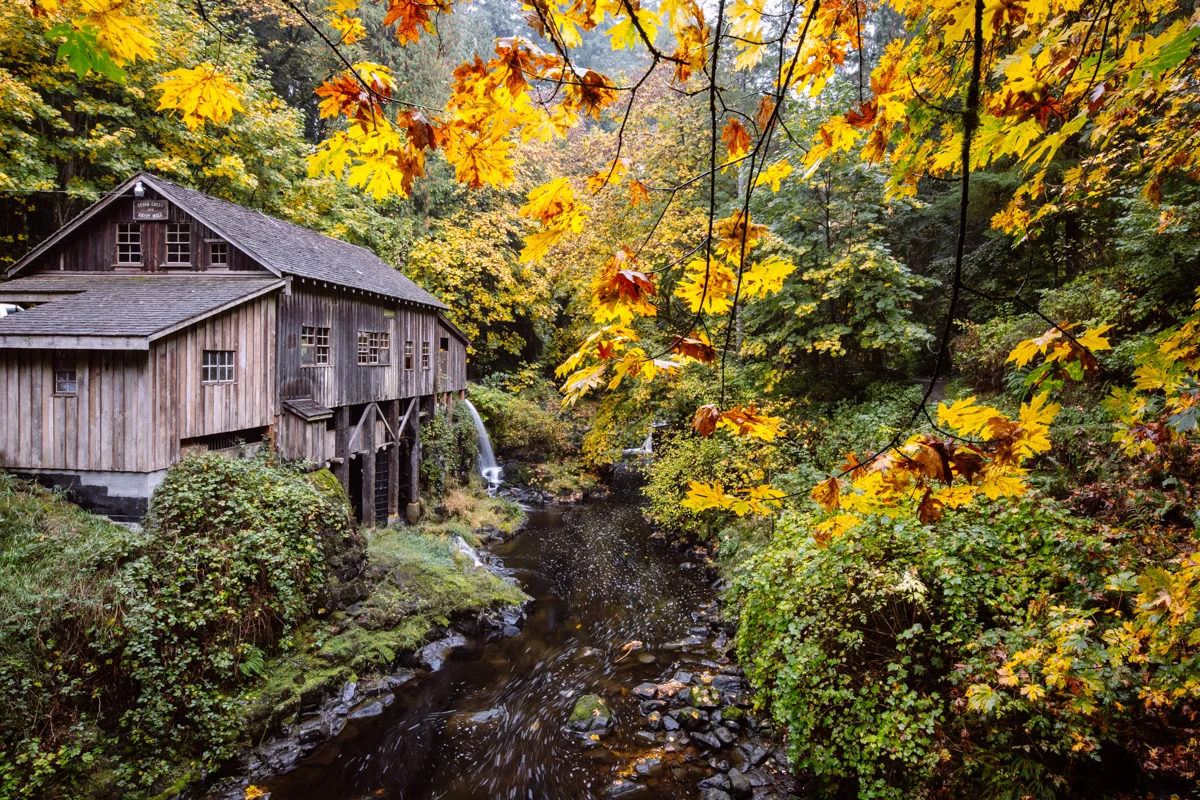
Cedar Creek Grist Mill is a working, water-powered mill near Woodland, Washington, a short drive north of Vancouver. Visitors can learn how grain was once ground into flour, and how flowing water made that work possible. Plan a relaxed visit that blends history with rural scenery and an easy drive through farmland.
How Do You Get to Cedar Creek Grist Mill?
Cedar Creek Grist Mill sits near Woodland, reached by driving north from Vancouver on the main highways and then onto local roads. Signs help once you’re near the town. Check a live map before leaving, since travel times change with traffic and seasonal conditions.
Local roads can be narrow and rural, so slow down and watch for farm equipment, cyclists, and wildlife. Plan a few extra minutes for the last stretch.
The mill setting feels far removed from busy highways, which is part of its appeal. Expect a quieter drive that rewards slow travel and open views.
How Does a Water-Powered Grist Mill Work?
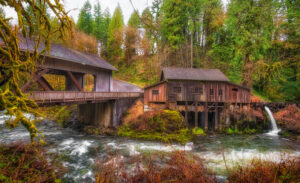 A water-powered grist mill uses the force of flowing water to turn a wheel, which drives millstones that grind grain into flour. Water routed from a stream or channel spins the wheel. Gears and belts transfer that motion to the stones inside the building.
Grinding stones need careful setting, and millers adjust gaps to control how fine the flour becomes. Watching the process gives visitors a clear sense of how much skill and patience early milling required.
Ask a staff member or volunteer about the mill’s history and daily operations if one is available. Firsthand explanations often bring the machinery to life.
Many visitors find the sound of flowing water as interesting as the machinery itself, since the creek drives the whole operation. Take a moment to listen before you explore the rest of the building.
Does the Mill Still Grind Grain Today?
Yes, the mill still grinds grain, though operating days and seasonal schedules can vary. Check ahead for demonstration times, since production may not run every day you visit. Staff can explain current activities during your visit.
Historic buildings need regular upkeep, so visitors may find some areas closed for repairs.
Bring a bag if you plan to take home any local products, and check payment options before you go.
Keep in mind that a working mill may have machinery that is loud or dusty. Children should stay with an adult and keep clear of moving parts and equipment. Ask staff where the safe viewing areas are.
When Is the Best Time to Visit?
Spring and summer offer the most comfortable weather for a walk around the property and a relaxed visit. Winter can bring wet, cold conditions, and water levels can affect the mill’s operation. Check ahead before you plan a trip. Weekdays tend to be quieter, so you may get more time with staff.
Visit on a dry day if you can, since muddy paths and wet floors can slow your exploration. Dress in layers for changing temperatures.
Plan for a shorter visit in cold months and bring warm drinks for the drive. Rain can make paths slippery near the creek, so shoes with grip matter.
What Else Can You See Around Woodland?
 Woodland is a small rural town with farmland, quiet roads, and seasonal produce stands. Visitors often pair the mill with a scenic drive and a relaxed lunch nearby. Nearby Clark County farms and garden spots make a pleasant half-day loop. In spring, the lilac gardens near Woodland add another reason to visit.
Pack a picnic or plan lunch in a nearby town and drive slowly on rural roads. Check the mill’s own information for current hours and events before you go.
Respect private farm property and stay on public roads when you explore. Many farms rely on daily work, and a courteous visit helps everyone enjoy the area.
Frequently Asked Questions
Is Cedar Creek Grist Mill good for kids?
Children often enjoy seeing the water wheel, millstones, and gears in motion. Keep them close to moving equipment and follow staff directions. Short visits suit young attention spans, and time outdoors gives them room to stretch. Bring water and snacks for the drive home. Staff may be happy to explain the process in simple terms.
How long should I plan to spend at the mill?
A focused visit can fill about an hour, including time to watch the grinding and ask questions. Add more time if you plan to explore Woodland or enjoy a picnic. Check operating days before you leave home, since schedules can change.
Is parking easy near the mill?
Parking near rural historic sites is usually straightforward, though spaces can be limited on busy days. Pull into designated areas and avoid blocking driveways or farm access. Look for posted signs, and arrive early during events or peak season. Use caution when turning onto narrow roads.