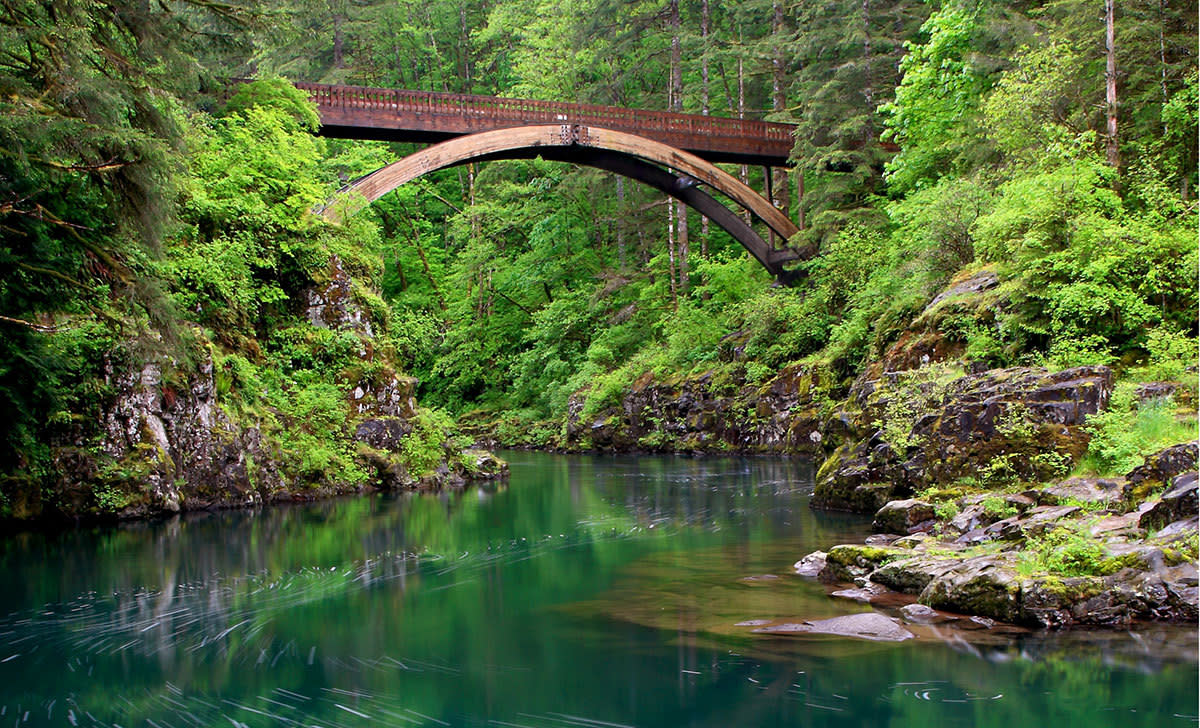
Moulton Falls Regional Park is a quiet riverside spot in northern Clark County, reached by a short drive from Vancouver, Washington. The park is known for its arch bridge, rocky shoreline, and views along the East Fork Lewis River. Plan for cold water and changing river levels, especially in spring.
How Do You Get to Moulton Falls from Vancouver?
Moulton Falls is reached by heading north and east from Vancouver on rural roads that wind toward the river. Routes can change, so check a live map and look for posted signs near the park. Plan extra time for slower driving on curves, and allow for traffic on busy weekends. Road shoulders can be narrow, so drive carefully.
Follow posted signs once you arrive, and read any safety notices near the water. Parking can fill on warm days, so arriving before midday gives you a better chance of a spot.
Cell service can be unreliable on rural roads, so download your route before you leave Vancouver. Keep a paper map in the glovebox as a backup.
What Makes the Arch Bridge a Highlight?
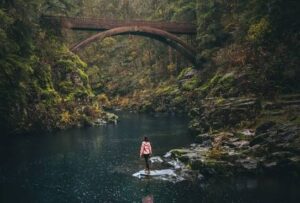 The arch bridge is the park’s signature feature, offering a framed view of the river below. Visitors often stop to take photos and watch the current. Respect railings and posted signs, since river edges can be slippery and steep. Keep children close, and avoid climbing on structures.
Structures near water can be wet and hard to grip even in summer. Take photos from safe spots and avoid stepping onto rocks that look unstable. A tripod can help with long exposures in shade.
The bridge area often draws photographers, so share the space and keep moving if others are waiting for a view. Early morning light tends to be softer and less crowded.
What Can You Do by the East Fork Lewis River?
Visitors come to walk the shoreline, picnic, fish, and watch the water. The East Fork Lewis River flows past rocky banks and gravel bars, which suit quiet exploration. Fishing rules and swimming areas can change, so confirm current guidance before you start.
Swimming in the river carries real risks, including cold water, strong currents, and hidden drop-offs. Many visitors prefer to wade near shore while adults keep a close watch. Life jackets are a smart choice for anyone who isn’t a confident swimmer. Stay out of the water during high flows.
When Is the Best Time to Visit Moulton Falls?
Late summer and early fall usually offer the lowest river levels and the most comfortable conditions. Spring can bring high, fast water after rain, so use extra caution. Winter visits are quieter but can be cold and wet on trails. Check recent weather and river reports before you go, since conditions can shift quickly.
Weekday mornings tend to be quieter than summer weekends, when parking can fill early. Dress in layers for changing temperatures near the river.
Late-season visitors may see golden light on the water, while spring visitors often notice fuller, faster streams. Adjust your expectations and plan a backup activity if conditions change.
What Should You Bring on a Visit?
 Bring water, sturdy shoes with good grip, and a light rain jacket, since trails and riverbanks can be slick. Pack snacks and a small first aid kit. A phone with a charged battery helps in case of an emergency. Carry out all trash, and keep pets leashed where allowed.
Consider a folding chair for the shoreline, since natural seating can be uneven. A map or offline trail guide keeps you oriented if cell service drops in low spots.
Pack out food scraps, which keeps wildlife away from picnic areas and protects the riverbank. Stock up on snacks and water before you drive out to the park, since shops near the park may be limited.
Frequently Asked Questions
Is Moulton Falls good for families with young kids?
Families can enjoy the shoreline and bridge views, but the river demands close supervision. Keep young children within arm’s reach near water and on rocks. Strollers are a poor fit on uneven ground, so use a carrier for little ones. Pack snacks and plan frequent breaks.
Can you swim at Moulton Falls?
Swimming in the East Fork Lewis River carries risks from cold water, currents, and hidden drop-offs. Rules and conditions change with river flow, so check posted signs and current guidance first. Many visitors choose to wade or relax on the shore instead. Life jackets help anyone who swims. Stay alert if you wade near the bank.
How much time should I plan?
A relaxed visit can fill two to three hours, including a bridge stop, a shoreline walk, and a picnic. Photographers or anglers may spend longer. Build in extra time for the drive, since rural roads slow travel. Check weather and river conditions before you set out.